
What the trend actually looks like
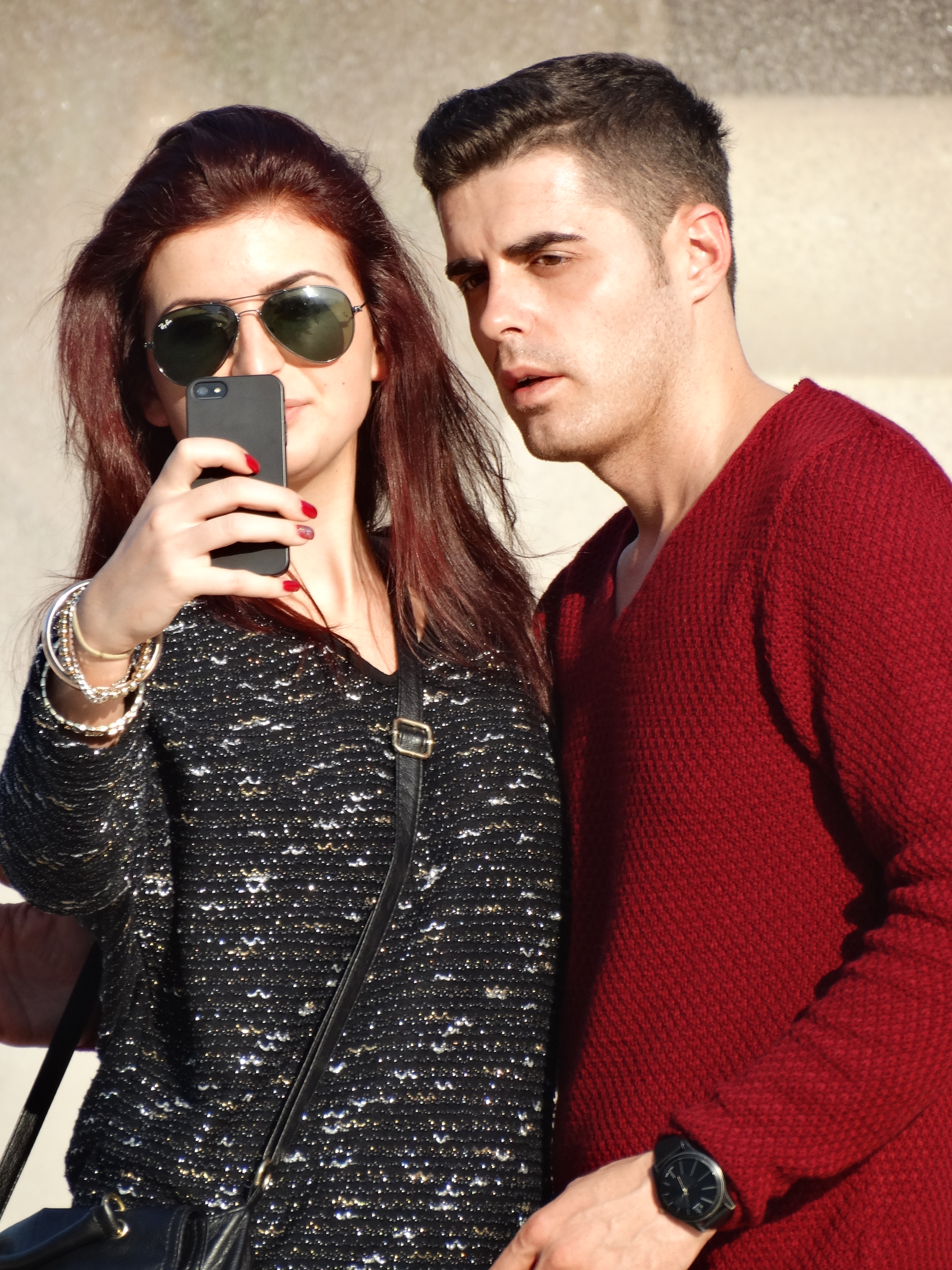
One partner, usually filming, asks the other a string of no-win hypotheticals on camera. InsideHook's October 2025 coverage of the trend, reported by Joanna Sommer, documented four questions that now recur across videos: whether he'd rather kiss someone else for $10 million or kiss her for $10, whether he loves her because she's pretty or thinks she's pretty because he loves her, whether he'd be attracted to her identical twin if she had one, and whether he'd rather have never met her or go cheat on her right now.
None of the four have a safe answer. Answer the money question one way and you look shallow; answer it the other way and the amount itself starts to feel like the actual test. That's the format working as designed: the follow-up question exists specifically to unsettle whatever answer came before it, and reporting hasn't traced the four-question set back to one originating video or creator, more a template that spread across many accounts than a single viral clip.
The 'no correct answer' design
The questions are built so that any answer creates a follow-up problem. That is the entire design: there is no version of the exchange where the person being questioned looks fully composed. This puts it in the same family as other paired-partner formats that spread around the same time, tests built around a partner's reaction rather than any real information exchange, where the panic itself is the content.
Why it borrowed the rage bait name
Calling the format "rage bait" upfront is unusual for internet trends, which more often let the manipulation stay implicit. Naming it directly signals that both people involved understand the questions are constructed for a reaction rather than genuine relationship information, which is part of what makes the format feel more like a performance than an actual test, borrowing the name of the term Oxford named its 2025 Word of the Year rather than the older, blunter "prank" or "test" labels earlier couple-content formats used.
What a therapist says is actually going on
Not everyone treats the trend as harmless. In an interview picked up by Yahoo and cited in InsideHook's reporting, therapist Brianna Paruolo pushed back on the idea that the questions are pure banter: "The person being provocative and putting out that rage bait somehow turns out to be the victim because they got the reaction from others," she said. "Sometimes banter can feel like, 'Hey, we have an inside [joke] going.' But it can be a power struggle or a form of gaining power, which is not so healthy in a relationship."
Paruolo's point complicates the "everyone's in on the joke" framing the trend runs on. A clip can be genuinely consensual between the two people in it and still function, structurally, as one partner engineering a reaction for an audience that isn't in the room, which is close to what makes something rage bait in the first place: a target who doesn't fully control how the moment gets used once it's public.
How it differs from a bid-for-connection test
TikTok ran several other viral "test your partner" formats around the same period, most notably the bird test and the orange peel theory, and the contrast is useful. The bird theory, coined in 2023 by a TikTok creator who goes by Alyssa, asks one partner to point out something small and unprompted, like a bird outside a window, and watches whether the other responds with real curiosity. The orange peel theory traces to a November 4, 2023 TikTok post by @things.i.cant.sen that alone drew roughly 15 million views, with the broader hashtag topping 35 million; the format works the same way, asking a partner to peel an orange for you and watching whether they do it without complaint.
Both of those formats are built around noticing an organic small moment, sometimes called a "bid for connection" in couples-therapy language, and watching whether a partner turns toward it. Rage bait questions do the opposite: instead of watching for a spontaneous reaction to something small, one partner manufactures a high-pressure hypothetical on purpose and films what happens. The bird test and orange peel theory are trying to observe; the rage bait questions trend is trying to provoke.
The difference from classic rage bait
Standard rage bait targets an anonymous audience with a claim designed to make strangers angry. This trend targets a willing participant, usually a real partner, with a joke both people are supposedly in on, and the actual audience reacting is the viewers watching the video rather than the person answering the questions. The anger being filmed is frequently exaggerated or performed for the camera rather than a genuine reaction, which sets it apart from the reaction-for-views logic behind flaming and trolling, aimed at strangers who have no idea they are being provoked and no relationship to protect if the clip goes wrong.